Tips
February 7, 2024
Top roofing Materials for different climates USA
Tips
February 7, 2024
Top roofing Materials for different climates USA
Tips
February 7, 2024
Top roofing Materials for different climates USA
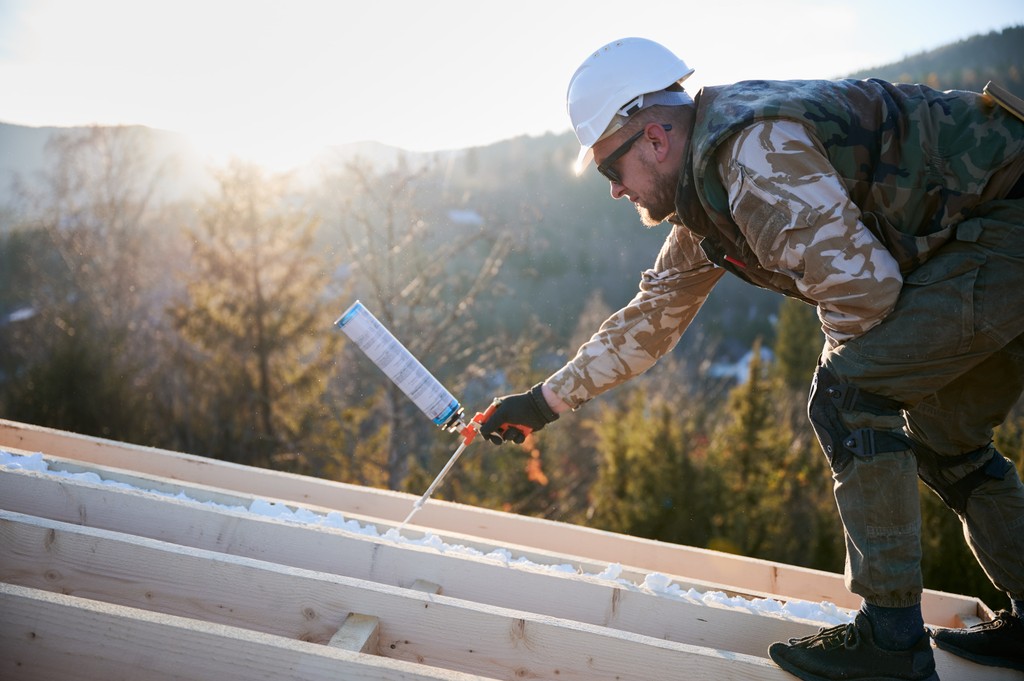
Choosing the right roofing material is crucial for the longevity and performance of your roof, especially in the diverse climate zones of the United States. From scorching summers in Arizona to freezing winters in Minnesota, roofing materials must withstand a range of environmental challenges. In this blog, we’ll explore the best roofing materials for different U.S. climates to help homeowners make the right decision for their homes.
Choosing the right roofing material is crucial for the longevity and performance of your roof, especially in the diverse climate zones of the United States. From scorching summers in Arizona to freezing winters in Minnesota, roofing materials must withstand a range of environmental challenges. In this blog, we’ll explore the best roofing materials for different U.S. climates to help homeowners make the right decision for their homes.
Understanding U.S. Climate Zones
The U.S. has several distinct climate zones that impact the durability of roofing materials. These include:
Hot & Dry (Southwest): Intense heat and UV radiation can degrade many materials over time.
Cold & Snowy (Northwest, Midwest): Heavy snow, ice, and freezing temperatures put roofs under tremendous stress.
Coastal (East and West Coasts): Humidity, salt air, and occasional storms can wear down even the most durable roofing materials.
Humid & Tropical (Southeast): High levels of moisture and intense storms make waterproofing essential.
Best Roofing Materials by Climate
1. Hot & Dry Climates:
For areas like Arizona and Nevada, choose materials that reflect heat and resist sun damage.
Clay or Concrete Tiles: These materials are excellent for hot climates because they reflect sunlight and last for decades.
Metal Roofing: Metal roofs are highly reflective, lightweight, and resistant to heat. They’re also energy-efficient, keeping homes cooler in summer.
2. Cold & Snowy Climates:
In regions like the Midwest or mountainous areas, materials that resist freezing and heavy snow loads are ideal.
Asphalt Shingles: Durable and flexible, asphalt shingles handle freezing temperatures and provide reliable protection against snow.
Slate Roofing: Natural slate is heavy and extremely durable, making it a great choice for snowy areas, though it can be more expensive.
3. Coastal Climates:
Homes near oceans need materials resistant to salt corrosion and high humidity.
Metal Roofing: Metal is highly resistant to corrosion when treated with the proper coatings.
Composite Shingles: These shingles can handle humidity well and don’t rot like some organic materials.
4. Humid & Tropical Climates:
Regions like Florida and the Gulf Coast require roofs that can handle frequent storms and humidity.
Metal Roofing: Again, metal roofs excel here due to their ability to withstand heavy rain and wind.
Concrete Tiles: These provide great resistance to moisture and will not warp in humid conditions.
Conclusion
Selecting the right roofing material for your climate is essential for protecting your home and reducing maintenance costs. By considering the specific weather conditions in your area, you can ensure your roof lasts for many years. If you need advice on choosing the best materials for your home, contact a local roofing professional today.
Understanding U.S. Climate Zones
The U.S. has several distinct climate zones that impact the durability of roofing materials. These include:
Hot & Dry (Southwest): Intense heat and UV radiation can degrade many materials over time.
Cold & Snowy (Northwest, Midwest): Heavy snow, ice, and freezing temperatures put roofs under tremendous stress.
Coastal (East and West Coasts): Humidity, salt air, and occasional storms can wear down even the most durable roofing materials.
Humid & Tropical (Southeast): High levels of moisture and intense storms make waterproofing essential.
Best Roofing Materials by Climate
1. Hot & Dry Climates:
For areas like Arizona and Nevada, choose materials that reflect heat and resist sun damage.
Clay or Concrete Tiles: These materials are excellent for hot climates because they reflect sunlight and last for decades.
Metal Roofing: Metal roofs are highly reflective, lightweight, and resistant to heat. They’re also energy-efficient, keeping homes cooler in summer.
2. Cold & Snowy Climates:
In regions like the Midwest or mountainous areas, materials that resist freezing and heavy snow loads are ideal.
Asphalt Shingles: Durable and flexible, asphalt shingles handle freezing temperatures and provide reliable protection against snow.
Slate Roofing: Natural slate is heavy and extremely durable, making it a great choice for snowy areas, though it can be more expensive.
3. Coastal Climates:
Homes near oceans need materials resistant to salt corrosion and high humidity.
Metal Roofing: Metal is highly resistant to corrosion when treated with the proper coatings.
Composite Shingles: These shingles can handle humidity well and don’t rot like some organic materials.
4. Humid & Tropical Climates:
Regions like Florida and the Gulf Coast require roofs that can handle frequent storms and humidity.
Metal Roofing: Again, metal roofs excel here due to their ability to withstand heavy rain and wind.
Concrete Tiles: These provide great resistance to moisture and will not warp in humid conditions.
Conclusion
Selecting the right roofing material for your climate is essential for protecting your home and reducing maintenance costs. By considering the specific weather conditions in your area, you can ensure your roof lasts for many years. If you need advice on choosing the best materials for your home, contact a local roofing professional today.
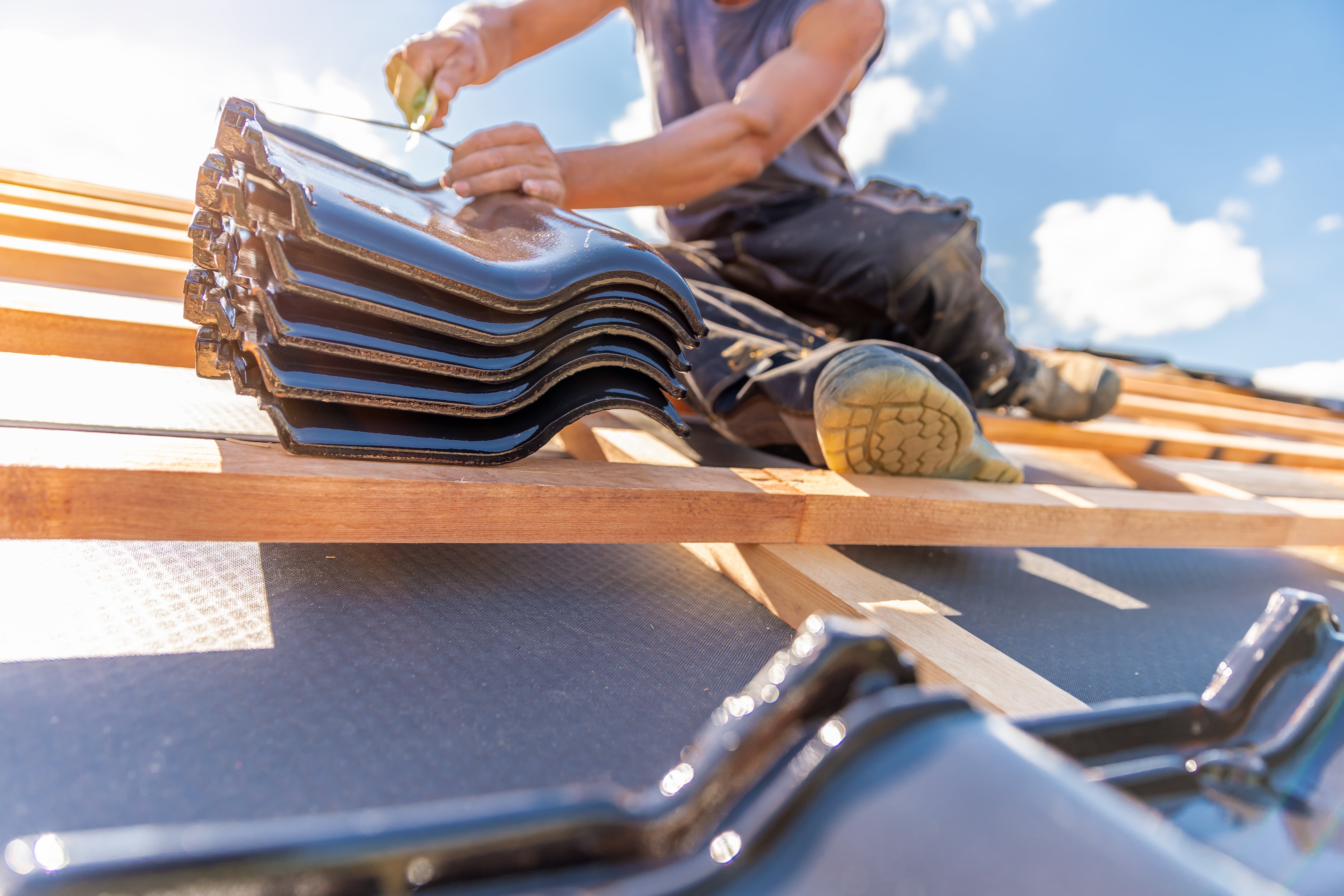
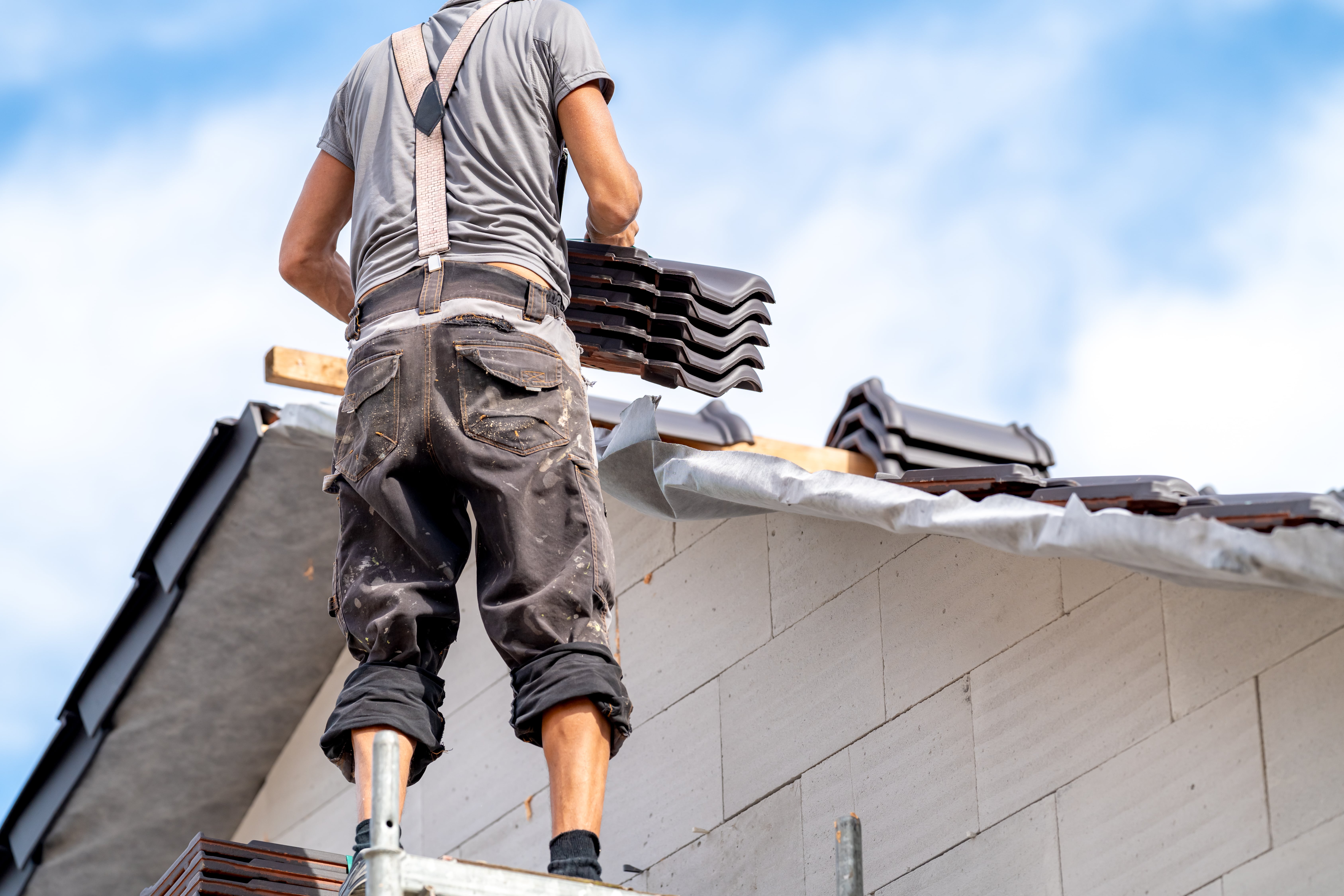
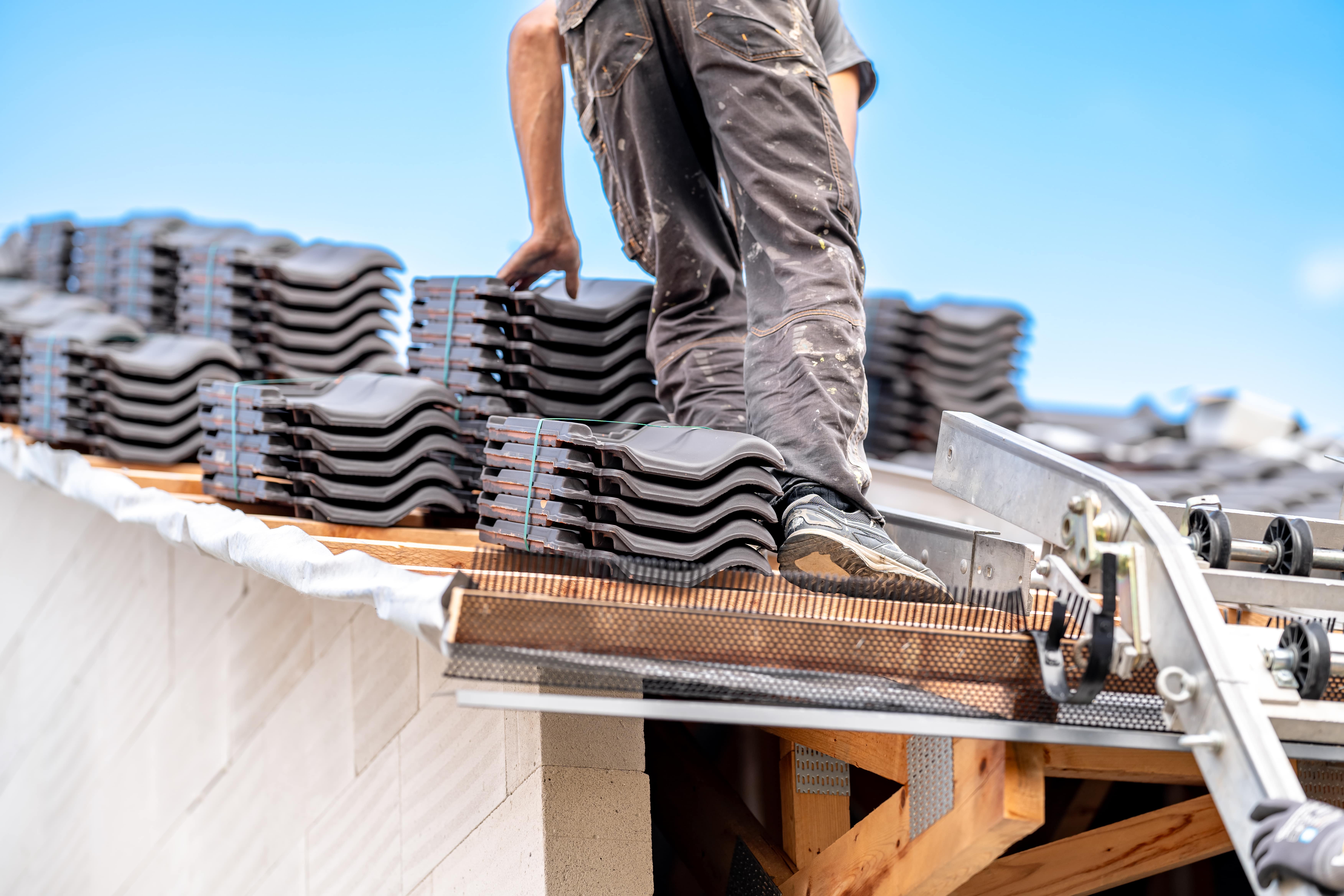
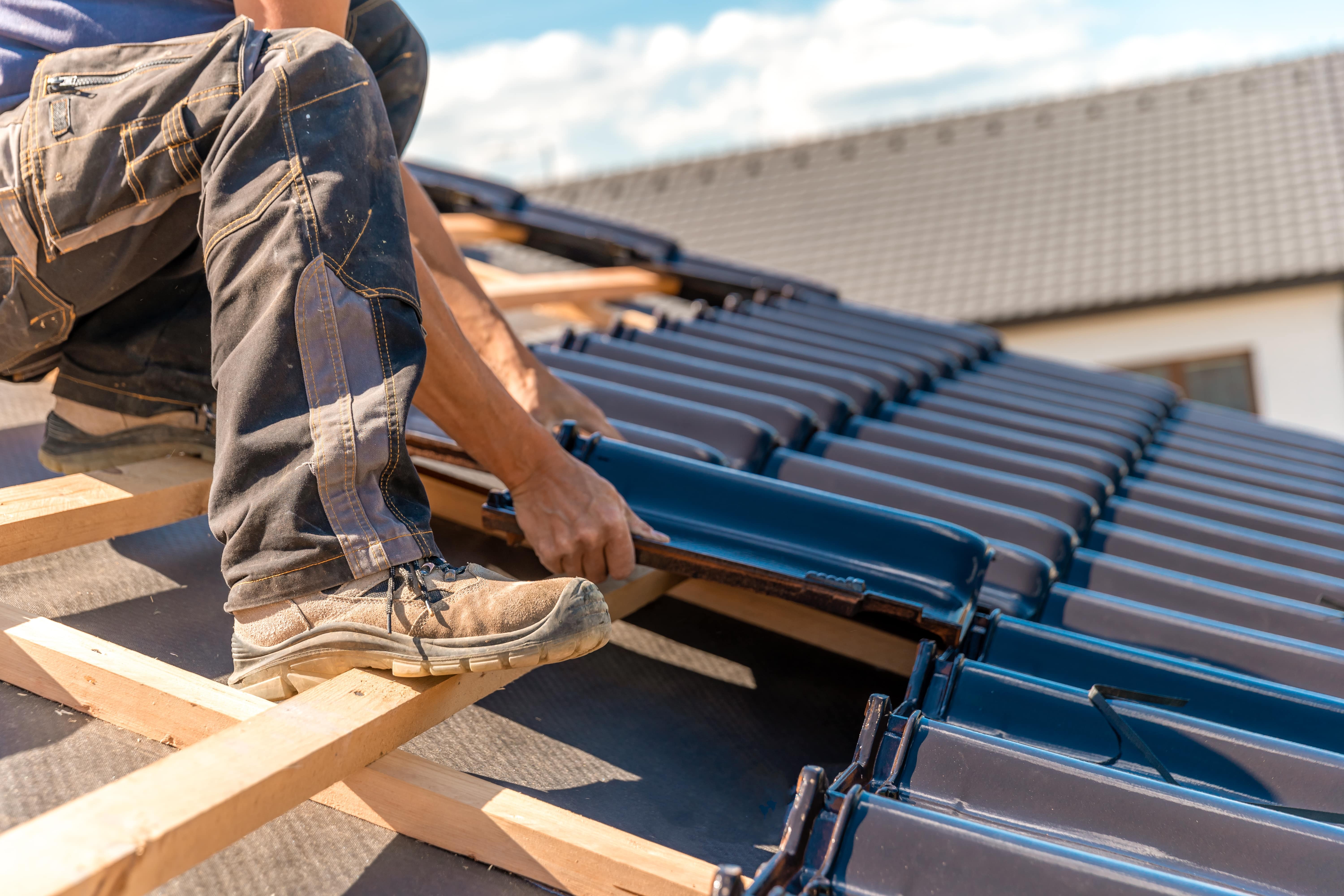
Choosing the right roofing material is crucial for the longevity and performance of your roof, especially in the diverse climate zones of the United States. From scorching summers in Arizona to freezing winters in Minnesota, roofing materials must withstand a range of environmental challenges. In this blog, we’ll explore the best roofing materials for different U.S. climates to help homeowners make the right decision for their homes.
Understanding U.S. Climate Zones
The U.S. has several distinct climate zones that impact the durability of roofing materials. These include:
Hot & Dry (Southwest): Intense heat and UV radiation can degrade many materials over time.
Cold & Snowy (Northwest, Midwest): Heavy snow, ice, and freezing temperatures put roofs under tremendous stress.
Coastal (East and West Coasts): Humidity, salt air, and occasional storms can wear down even the most durable roofing materials.
Humid & Tropical (Southeast): High levels of moisture and intense storms make waterproofing essential.
Best Roofing Materials by Climate
1. Hot & Dry Climates:
For areas like Arizona and Nevada, choose materials that reflect heat and resist sun damage.
Clay or Concrete Tiles: These materials are excellent for hot climates because they reflect sunlight and last for decades.
Metal Roofing: Metal roofs are highly reflective, lightweight, and resistant to heat. They’re also energy-efficient, keeping homes cooler in summer.
2. Cold & Snowy Climates:
In regions like the Midwest or mountainous areas, materials that resist freezing and heavy snow loads are ideal.
Asphalt Shingles: Durable and flexible, asphalt shingles handle freezing temperatures and provide reliable protection against snow.
Slate Roofing: Natural slate is heavy and extremely durable, making it a great choice for snowy areas, though it can be more expensive.
3. Coastal Climates:
Homes near oceans need materials resistant to salt corrosion and high humidity.
Metal Roofing: Metal is highly resistant to corrosion when treated with the proper coatings.
Composite Shingles: These shingles can handle humidity well and don’t rot like some organic materials.
4. Humid & Tropical Climates:
Regions like Florida and the Gulf Coast require roofs that can handle frequent storms and humidity.
Metal Roofing: Again, metal roofs excel here due to their ability to withstand heavy rain and wind.
Concrete Tiles: These provide great resistance to moisture and will not warp in humid conditions.
Conclusion
Selecting the right roofing material for your climate is essential for protecting your home and reducing maintenance costs. By considering the specific weather conditions in your area, you can ensure your roof lasts for many years. If you need advice on choosing the best materials for your home, contact a local roofing professional today.



Blog