
News
February 7, 2024
Roofing in Texas: How to Choose the Best Contractor, Materials, and Maintenance
News
February 7, 2024
Roofing in Texas: How to Choose the Best Contractor, Materials, and Maintenance
News
February 7, 2024
Roofing in Texas: How to Choose the Best Contractor, Materials, and Maintenance
Roofing in Texas is not a one-size-fits-all task. The state’s diverse climate—from the blazing heat of the summer to intense hailstorms—means that homeowners need a roof that can withstand these extreme conditions. Whether you're looking for roof repairs, a complete roof replacement, or regular maintenance, finding the right roofing contractor and selecting the best materials are crucial for protecting your home.
Roofing in Texas is not a one-size-fits-all task. The state’s diverse climate—from the blazing heat of the summer to intense hailstorms—means that homeowners need a roof that can withstand these extreme conditions. Whether you're looking for roof repairs, a complete roof replacement, or regular maintenance, finding the right roofing contractor and selecting the best materials are crucial for protecting your home.
1. Why Choosing the Right Roofing Contractor is Critical in Texas
Roofing projects are a significant investment, and hiring the right contractor can make all the difference in terms of quality, durability, and peace of mind. With many contractors available across Texas, it's essential to choose one with local expertise, a solid reputation, and the right qualifications. Here are some key factors to consider:
1.1. Look for Local Experience
Texas roofing contractors understand the unique challenges presented by the state's climate. Local contractors are familiar with local building codes, regulations, and the most common weather-related issues in your area. A roofing company that has been operating in Texas for years will have the knowledge to recommend the best materials and solutions based on your region’s specific needs—whether you're in Dallas, Houston, Austin, or any other Texas city.
1.2. Check for Certifications, Insurance, and Licenses
A reliable roofing contractor should have all necessary licenses and certifications, such as certifications from manufacturers like GAF or CertainTeed, which indicate they are trained to install specific products. Additionally, always ensure your contractor has proper insurance—both liability and workers' compensation—to protect you from any accidents or damages that may occur during the job.
1.3. Read Reviews and Ask for References
In the digital age, reviews are a critical part of finding a trusted roofing company. Check Google Reviews, Yelp, and Angie’s List for feedback from past customers. Ask your contractor for references, and don't hesitate to reach out to previous clients to hear about their experiences firsthand.
2. Best Roofing Materials for Texas Homes
The choice of roofing material plays a significant role in how well your roof performs over time. Texas' hot summers and stormy seasons require durable, weather-resistant materials. Here are the top roofing materials that are most suited for Texas climates:
2.1. Asphalt Shingles
Asphalt shingles are the most common roofing material in the U.S. and are popular in Texas due to their affordability and durability. High-quality asphalt shingles, especially impact-resistant shingles, can withstand Texas' harsh heat and frequent hailstorms. They also come in a variety of colors and styles, making them versatile for many home designs.
2.2. Metal Roofing
Metal roofs have become increasingly popular in Texas due to their durability, energy efficiency, and ability to reflect heat. Metal roofing can last up to 50 years with proper maintenance and offers excellent protection against extreme weather, including high winds and hail. Additionally, metal roofing is highly reflective, helping homeowners reduce cooling costs during Texas' scorching summers.
2.3. Clay and Concrete Tiles
In areas like San Antonio and Austin, where Spanish and Mediterranean-style homes are prevalent, clay and concrete tiles are common. These materials are excellent for Texas’ hot and dry regions because they provide superior insulation and last for decades with minimal maintenance. However, they tend to be more expensive and heavier than other roofing materials, which means your home needs to be structurally sound to support them.
2.4. Synthetic Slate
For homeowners who want the elegant look of slate roofing without the cost or weight, synthetic slate is an excellent option. It’s designed to mimic natural slate but is lighter, more affordable, and offers impressive durability against Texas weather conditions.
3. How Texas Weather Impacts Your Roof
Texas weather is highly unpredictable, ranging from scorching heat to severe thunderstorms, hail, and even tornadoes. This extreme weather can cause significant wear and tear on your roof, and understanding how the climate impacts your roofing material choices is crucial.
3.1. High Heat and UV Exposure
Texas is known for its blazing summers, where temperatures often soar above 100°F. Over time, prolonged exposure to heat and UV rays can cause roofing materials to degrade, leading to cracks, warping, and reduced effectiveness. Roofing materials such as metal and clay tiles are great options for areas that experience excessive heat.
3.2. Hailstorms and Wind Damage
Texas ranks as one of the top states for hailstorms, especially in regions like Dallas–Fort Worth and Central Texas. Hail can severely damage your roof, leading to cracks, dents, and leaks. Impact-resistant roofing materials, such as metal roofs or Class 4 asphalt shingles, can help protect your roof during hailstorms and reduce repair costs.
3.3. Hurricanes and Tornadoes
Along the Gulf Coast and in regions like Houston, hurricanes and tornadoes can cause significant wind damage to roofs. Choosing wind-resistant materials and ensuring your roof is properly secured with features like roof bracing and high-quality fasteners will help minimize damage during extreme weather.
4. The Importance of Regular Roof Maintenance in Texas
Maintaining your roof is key to ensuring its longevity and performance. Regular inspections can help you catch minor issues before they become costly repairs. Here are a few essential maintenance tips for Texas homeowners:
4.1. Schedule Routine Inspections
Having your roof inspected at least twice a year—especially after major storms—is crucial. During an inspection, roofing professionals will check for missing shingles, leaks, water damage, and any wear and tear caused by the weather. This can prevent larger problems from developing over time.
4.2. Clean Your Gutters
Clogged gutters can lead to water pooling on your roof, which can cause leaks and damage to your home’s structure. Clean your gutters regularly, especially after storms, to ensure water is properly drained away from your roof.
4.3. Trim Overhanging Trees
In Texas, strong winds and storms can cause tree limbs to fall and damage your roof. Keep trees trimmed and away from your roof to prevent this risk and reduce debris buildup.
5. How to Spot Roof Damage After a Storm
After a Texas storm, it’s crucial to inspect your roof for damage. Here’s what you should look for:
Missing or cracked shingles
Dents from hail
Leaks or water stains inside your home
Warping or sagging areas If you notice any of these signs, it’s essential to contact a roofing contractor immediately to prevent further damage.
6. Why a Local Texas Roofing Contractor is Your Best Choice
Working with a local roofing contractor gives you access to contractors who understand Texas-specific issues like heat, hail, and wind. Additionally, local companies are likely to offer better customer service, be familiar with local regulations, and respond quickly to roofing emergencies.
6.1. Fast Response to Roofing Emergencies
Local contractors are more responsive to emergency roofing issues, especially after severe weather events. If a hailstorm damages your roof, a local Texas roofer can inspect and repair your roof faster than a company based out of state.
6.2. Knowledge of Local Building Codes
Building codes can vary from one Texas city to the next. Working with a local contractor ensures that your roof is installed or repaired in compliance with all local regulations and codes.
Conclusion
Choosing the right roofing contractor and materials is essential for protecting your home in Texas. Whether you're dealing with intense heat, hailstorms, or high winds, your roof is your home’s first line of defense. By investing in quality materials, scheduling regular maintenance, and working with a trusted local contractor, you can ensure that your roof lasts for years to come. Contact a local Texas roofing expert today for a free consultation and take the first step toward safeguarding your home.
1. Why Choosing the Right Roofing Contractor is Critical in Texas
Roofing projects are a significant investment, and hiring the right contractor can make all the difference in terms of quality, durability, and peace of mind. With many contractors available across Texas, it's essential to choose one with local expertise, a solid reputation, and the right qualifications. Here are some key factors to consider:
1.1. Look for Local Experience
Texas roofing contractors understand the unique challenges presented by the state's climate. Local contractors are familiar with local building codes, regulations, and the most common weather-related issues in your area. A roofing company that has been operating in Texas for years will have the knowledge to recommend the best materials and solutions based on your region’s specific needs—whether you're in Dallas, Houston, Austin, or any other Texas city.
1.2. Check for Certifications, Insurance, and Licenses
A reliable roofing contractor should have all necessary licenses and certifications, such as certifications from manufacturers like GAF or CertainTeed, which indicate they are trained to install specific products. Additionally, always ensure your contractor has proper insurance—both liability and workers' compensation—to protect you from any accidents or damages that may occur during the job.
1.3. Read Reviews and Ask for References
In the digital age, reviews are a critical part of finding a trusted roofing company. Check Google Reviews, Yelp, and Angie’s List for feedback from past customers. Ask your contractor for references, and don't hesitate to reach out to previous clients to hear about their experiences firsthand.
2. Best Roofing Materials for Texas Homes
The choice of roofing material plays a significant role in how well your roof performs over time. Texas' hot summers and stormy seasons require durable, weather-resistant materials. Here are the top roofing materials that are most suited for Texas climates:
2.1. Asphalt Shingles
Asphalt shingles are the most common roofing material in the U.S. and are popular in Texas due to their affordability and durability. High-quality asphalt shingles, especially impact-resistant shingles, can withstand Texas' harsh heat and frequent hailstorms. They also come in a variety of colors and styles, making them versatile for many home designs.
2.2. Metal Roofing
Metal roofs have become increasingly popular in Texas due to their durability, energy efficiency, and ability to reflect heat. Metal roofing can last up to 50 years with proper maintenance and offers excellent protection against extreme weather, including high winds and hail. Additionally, metal roofing is highly reflective, helping homeowners reduce cooling costs during Texas' scorching summers.
2.3. Clay and Concrete Tiles
In areas like San Antonio and Austin, where Spanish and Mediterranean-style homes are prevalent, clay and concrete tiles are common. These materials are excellent for Texas’ hot and dry regions because they provide superior insulation and last for decades with minimal maintenance. However, they tend to be more expensive and heavier than other roofing materials, which means your home needs to be structurally sound to support them.
2.4. Synthetic Slate
For homeowners who want the elegant look of slate roofing without the cost or weight, synthetic slate is an excellent option. It’s designed to mimic natural slate but is lighter, more affordable, and offers impressive durability against Texas weather conditions.
3. How Texas Weather Impacts Your Roof
Texas weather is highly unpredictable, ranging from scorching heat to severe thunderstorms, hail, and even tornadoes. This extreme weather can cause significant wear and tear on your roof, and understanding how the climate impacts your roofing material choices is crucial.
3.1. High Heat and UV Exposure
Texas is known for its blazing summers, where temperatures often soar above 100°F. Over time, prolonged exposure to heat and UV rays can cause roofing materials to degrade, leading to cracks, warping, and reduced effectiveness. Roofing materials such as metal and clay tiles are great options for areas that experience excessive heat.
3.2. Hailstorms and Wind Damage
Texas ranks as one of the top states for hailstorms, especially in regions like Dallas–Fort Worth and Central Texas. Hail can severely damage your roof, leading to cracks, dents, and leaks. Impact-resistant roofing materials, such as metal roofs or Class 4 asphalt shingles, can help protect your roof during hailstorms and reduce repair costs.
3.3. Hurricanes and Tornadoes
Along the Gulf Coast and in regions like Houston, hurricanes and tornadoes can cause significant wind damage to roofs. Choosing wind-resistant materials and ensuring your roof is properly secured with features like roof bracing and high-quality fasteners will help minimize damage during extreme weather.
4. The Importance of Regular Roof Maintenance in Texas
Maintaining your roof is key to ensuring its longevity and performance. Regular inspections can help you catch minor issues before they become costly repairs. Here are a few essential maintenance tips for Texas homeowners:
4.1. Schedule Routine Inspections
Having your roof inspected at least twice a year—especially after major storms—is crucial. During an inspection, roofing professionals will check for missing shingles, leaks, water damage, and any wear and tear caused by the weather. This can prevent larger problems from developing over time.
4.2. Clean Your Gutters
Clogged gutters can lead to water pooling on your roof, which can cause leaks and damage to your home’s structure. Clean your gutters regularly, especially after storms, to ensure water is properly drained away from your roof.
4.3. Trim Overhanging Trees
In Texas, strong winds and storms can cause tree limbs to fall and damage your roof. Keep trees trimmed and away from your roof to prevent this risk and reduce debris buildup.
5. How to Spot Roof Damage After a Storm
After a Texas storm, it’s crucial to inspect your roof for damage. Here’s what you should look for:
Missing or cracked shingles
Dents from hail
Leaks or water stains inside your home
Warping or sagging areas If you notice any of these signs, it’s essential to contact a roofing contractor immediately to prevent further damage.
6. Why a Local Texas Roofing Contractor is Your Best Choice
Working with a local roofing contractor gives you access to contractors who understand Texas-specific issues like heat, hail, and wind. Additionally, local companies are likely to offer better customer service, be familiar with local regulations, and respond quickly to roofing emergencies.
6.1. Fast Response to Roofing Emergencies
Local contractors are more responsive to emergency roofing issues, especially after severe weather events. If a hailstorm damages your roof, a local Texas roofer can inspect and repair your roof faster than a company based out of state.
6.2. Knowledge of Local Building Codes
Building codes can vary from one Texas city to the next. Working with a local contractor ensures that your roof is installed or repaired in compliance with all local regulations and codes.
Conclusion
Choosing the right roofing contractor and materials is essential for protecting your home in Texas. Whether you're dealing with intense heat, hailstorms, or high winds, your roof is your home’s first line of defense. By investing in quality materials, scheduling regular maintenance, and working with a trusted local contractor, you can ensure that your roof lasts for years to come. Contact a local Texas roofing expert today for a free consultation and take the first step toward safeguarding your home.

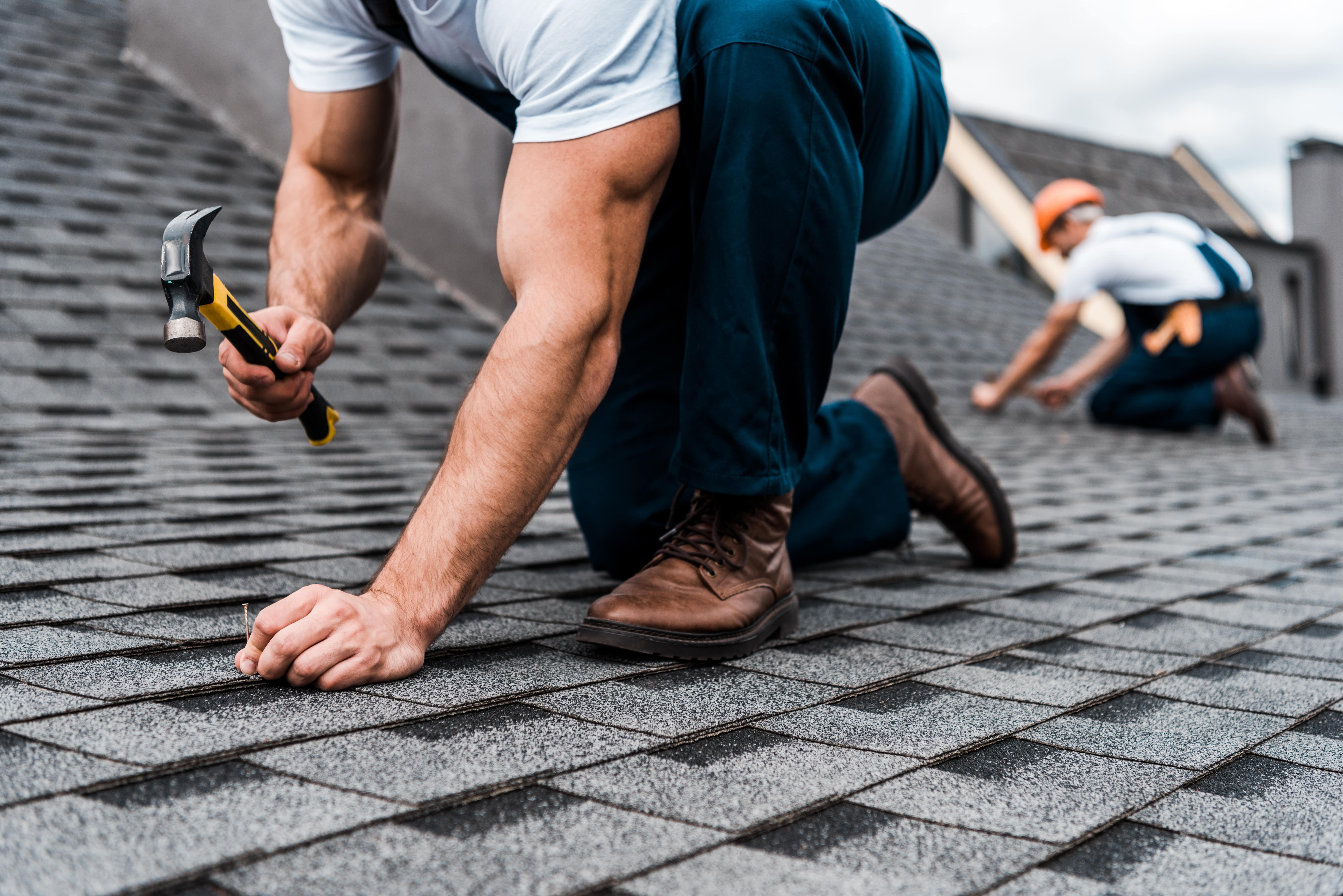


Roofing in Texas is not a one-size-fits-all task. The state’s diverse climate—from the blazing heat of the summer to intense hailstorms—means that homeowners need a roof that can withstand these extreme conditions. Whether you're looking for roof repairs, a complete roof replacement, or regular maintenance, finding the right roofing contractor and selecting the best materials are crucial for protecting your home.
1. Why Choosing the Right Roofing Contractor is Critical in Texas
Roofing projects are a significant investment, and hiring the right contractor can make all the difference in terms of quality, durability, and peace of mind. With many contractors available across Texas, it's essential to choose one with local expertise, a solid reputation, and the right qualifications. Here are some key factors to consider:
1.1. Look for Local Experience
Texas roofing contractors understand the unique challenges presented by the state's climate. Local contractors are familiar with local building codes, regulations, and the most common weather-related issues in your area. A roofing company that has been operating in Texas for years will have the knowledge to recommend the best materials and solutions based on your region’s specific needs—whether you're in Dallas, Houston, Austin, or any other Texas city.
1.2. Check for Certifications, Insurance, and Licenses
A reliable roofing contractor should have all necessary licenses and certifications, such as certifications from manufacturers like GAF or CertainTeed, which indicate they are trained to install specific products. Additionally, always ensure your contractor has proper insurance—both liability and workers' compensation—to protect you from any accidents or damages that may occur during the job.
1.3. Read Reviews and Ask for References
In the digital age, reviews are a critical part of finding a trusted roofing company. Check Google Reviews, Yelp, and Angie’s List for feedback from past customers. Ask your contractor for references, and don't hesitate to reach out to previous clients to hear about their experiences firsthand.
2. Best Roofing Materials for Texas Homes
The choice of roofing material plays a significant role in how well your roof performs over time. Texas' hot summers and stormy seasons require durable, weather-resistant materials. Here are the top roofing materials that are most suited for Texas climates:
2.1. Asphalt Shingles
Asphalt shingles are the most common roofing material in the U.S. and are popular in Texas due to their affordability and durability. High-quality asphalt shingles, especially impact-resistant shingles, can withstand Texas' harsh heat and frequent hailstorms. They also come in a variety of colors and styles, making them versatile for many home designs.
2.2. Metal Roofing
Metal roofs have become increasingly popular in Texas due to their durability, energy efficiency, and ability to reflect heat. Metal roofing can last up to 50 years with proper maintenance and offers excellent protection against extreme weather, including high winds and hail. Additionally, metal roofing is highly reflective, helping homeowners reduce cooling costs during Texas' scorching summers.
2.3. Clay and Concrete Tiles
In areas like San Antonio and Austin, where Spanish and Mediterranean-style homes are prevalent, clay and concrete tiles are common. These materials are excellent for Texas’ hot and dry regions because they provide superior insulation and last for decades with minimal maintenance. However, they tend to be more expensive and heavier than other roofing materials, which means your home needs to be structurally sound to support them.
2.4. Synthetic Slate
For homeowners who want the elegant look of slate roofing without the cost or weight, synthetic slate is an excellent option. It’s designed to mimic natural slate but is lighter, more affordable, and offers impressive durability against Texas weather conditions.
3. How Texas Weather Impacts Your Roof
Texas weather is highly unpredictable, ranging from scorching heat to severe thunderstorms, hail, and even tornadoes. This extreme weather can cause significant wear and tear on your roof, and understanding how the climate impacts your roofing material choices is crucial.
3.1. High Heat and UV Exposure
Texas is known for its blazing summers, where temperatures often soar above 100°F. Over time, prolonged exposure to heat and UV rays can cause roofing materials to degrade, leading to cracks, warping, and reduced effectiveness. Roofing materials such as metal and clay tiles are great options for areas that experience excessive heat.
3.2. Hailstorms and Wind Damage
Texas ranks as one of the top states for hailstorms, especially in regions like Dallas–Fort Worth and Central Texas. Hail can severely damage your roof, leading to cracks, dents, and leaks. Impact-resistant roofing materials, such as metal roofs or Class 4 asphalt shingles, can help protect your roof during hailstorms and reduce repair costs.
3.3. Hurricanes and Tornadoes
Along the Gulf Coast and in regions like Houston, hurricanes and tornadoes can cause significant wind damage to roofs. Choosing wind-resistant materials and ensuring your roof is properly secured with features like roof bracing and high-quality fasteners will help minimize damage during extreme weather.
4. The Importance of Regular Roof Maintenance in Texas
Maintaining your roof is key to ensuring its longevity and performance. Regular inspections can help you catch minor issues before they become costly repairs. Here are a few essential maintenance tips for Texas homeowners:
4.1. Schedule Routine Inspections
Having your roof inspected at least twice a year—especially after major storms—is crucial. During an inspection, roofing professionals will check for missing shingles, leaks, water damage, and any wear and tear caused by the weather. This can prevent larger problems from developing over time.
4.2. Clean Your Gutters
Clogged gutters can lead to water pooling on your roof, which can cause leaks and damage to your home’s structure. Clean your gutters regularly, especially after storms, to ensure water is properly drained away from your roof.
4.3. Trim Overhanging Trees
In Texas, strong winds and storms can cause tree limbs to fall and damage your roof. Keep trees trimmed and away from your roof to prevent this risk and reduce debris buildup.
5. How to Spot Roof Damage After a Storm
After a Texas storm, it’s crucial to inspect your roof for damage. Here’s what you should look for:
Missing or cracked shingles
Dents from hail
Leaks or water stains inside your home
Warping or sagging areas If you notice any of these signs, it’s essential to contact a roofing contractor immediately to prevent further damage.
6. Why a Local Texas Roofing Contractor is Your Best Choice
Working with a local roofing contractor gives you access to contractors who understand Texas-specific issues like heat, hail, and wind. Additionally, local companies are likely to offer better customer service, be familiar with local regulations, and respond quickly to roofing emergencies.
6.1. Fast Response to Roofing Emergencies
Local contractors are more responsive to emergency roofing issues, especially after severe weather events. If a hailstorm damages your roof, a local Texas roofer can inspect and repair your roof faster than a company based out of state.
6.2. Knowledge of Local Building Codes
Building codes can vary from one Texas city to the next. Working with a local contractor ensures that your roof is installed or repaired in compliance with all local regulations and codes.
Conclusion
Choosing the right roofing contractor and materials is essential for protecting your home in Texas. Whether you're dealing with intense heat, hailstorms, or high winds, your roof is your home’s first line of defense. By investing in quality materials, scheduling regular maintenance, and working with a trusted local contractor, you can ensure that your roof lasts for years to come. Contact a local Texas roofing expert today for a free consultation and take the first step toward safeguarding your home.

Blog